From my very first projector, the SIM2 HT250, to proudly offering the brand through Expert HiFi today, discover the history, innovation, and Italian craftsmanship that have made SIM2 a benchmark in high-end home cinema.
Search in blog
Blog categories
Latest posts
-
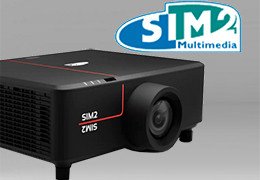 SIM2: The Return of a High-End Projection LegendRead more
 -
 SACD vs CD Sound Quality Explained: DSD vs PCM, HiFi Playback, and Is Super Audio CD Really Better?Read more
SACD: The Disc That Tried to Give Digital Music an Analog Soul When digital music wanted to join the world of true high-end audio
-
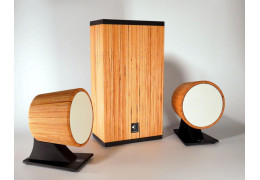 Livehorn Nova: Acoustic Excellence Through Artistic CraftsmanshipRead more
In the world of high-end audio, few creations manage to combine musical emotion, timeless design, and true artisanal expertise.
Popular posts

CD or Streaming, what's the best quality?
CD vs Streaming: Which audio format offers the best quality?
Read more

Bookshelf speakers: The world's best of the best
Bookshelf Speakers: The Evolution of Audio Excellence
Read more
Vinyl vs CD vs Cassette: Which Format Has the Best Sound Quality?
inyl, CD or cassette: which format has the best sound? This is a common question among both audiophiles and curious...
Read more
RCA vs XLR: Which HiFi Cable to Choose?
RCA or XLR? That's the question many audiophiles ask themselves when they need to choose a hi-fi cable. Both types of...
Read more
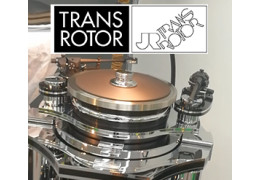
The Most Expensive Turntable in the World
The Most Expensive Turntable in the World: The Transrotor Metropolis-FMD
Read more
Featured posts
SIM2: The Return of a High-End Projection Legend
From my very first projector, the SIM2 HT250, to proudly offering the brand through Expert HiFi today, discover the...
Read more
SACD vs CD Sound Quality Explained: DSD vs PCM, HiFi Playback, and Is Super Audio CD Really Better?
SACD: The Disc That Tried to Give Digital Music an Analog Soul
When digital music wanted to join the world of true...
Read more
Livehorn Nova: Acoustic Excellence Through Artistic Craftsmanship
In the world of high-end audio, few creations manage to combine musical emotion, timeless design, and true artisanal...
Read more
Acoustics: Optimizing Your Listening Room with Dirac Live & Measurements
Even the best Hi-Fi systems cannot perform at their full potential if the listening room is not properly optimized....
Read more
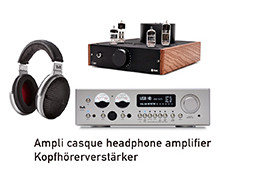
Audiophile Headphone Amplifier
Audiophile Headphone Amplifier: Why Your Amplifier’s Jack Output Is No Longer Enough
Read more
Blog tags
Archived posts
Latest comments
-
 Nouvelle cellule HanaI was wondering if you ever thought of changing the page...
 -
T+A PA 3100 HV Kompromisslose Elektronik und Musikalität.Thanks for the marvelous posting! I genuinely enjoyed...
-
T+A PA 3100 HV Kompromisslose Elektronik und Musikalität.you're truly a good webmaster. The website loading speed...
-
Nouvelle cellule HanaThanks , I have just been looking for info approximately...
-
T+A PA 3100 HV Kompromisslose Elektronik und Musikalität.I have been exploring for a little bit for any high...
Top authors