Audiophile Headphone Amplifier: Why Your Amplifier’s Jack Output Is No Longer Enough
Two amplifiers, one signature, but which soul to choose?
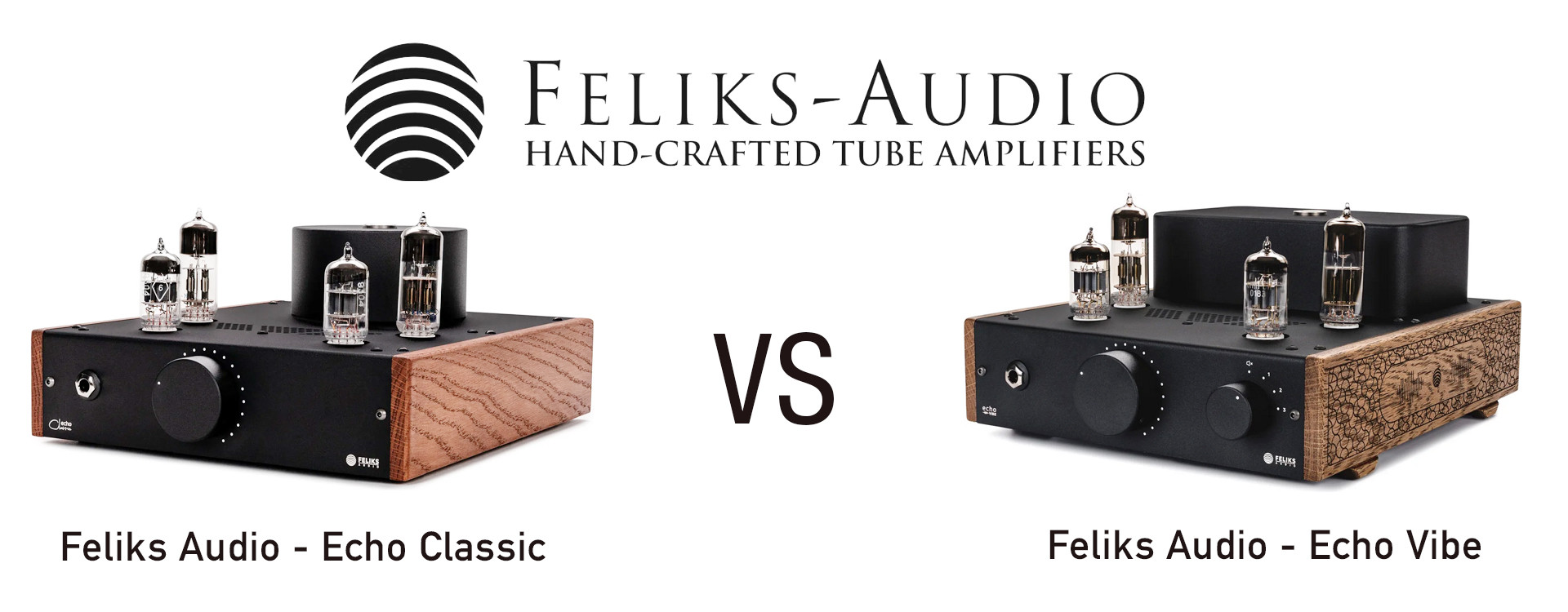
The world of headphone tube amplification has this magical quality: it offers sonic personalities as rich as they are varied. Feliks Audio, the renowned Polish craftsman, presents us with the Echo Classic and Echo Vibe, two interpretations of the "tube philosophy" applied to headphone listening. At first glance, their technical specifications seem identical. Yet, from the very first listens, the veil lifts and their personalities assert themselves.
We pitted them against each other under real-world conditions, with two headphones of opposite personalities – the demanding, refined T+A Solitaire P and the more accessible, sensitive Meze 105 AER – on an eclectic music selection ranging from Pink Floyd to Karajan. Verdict.


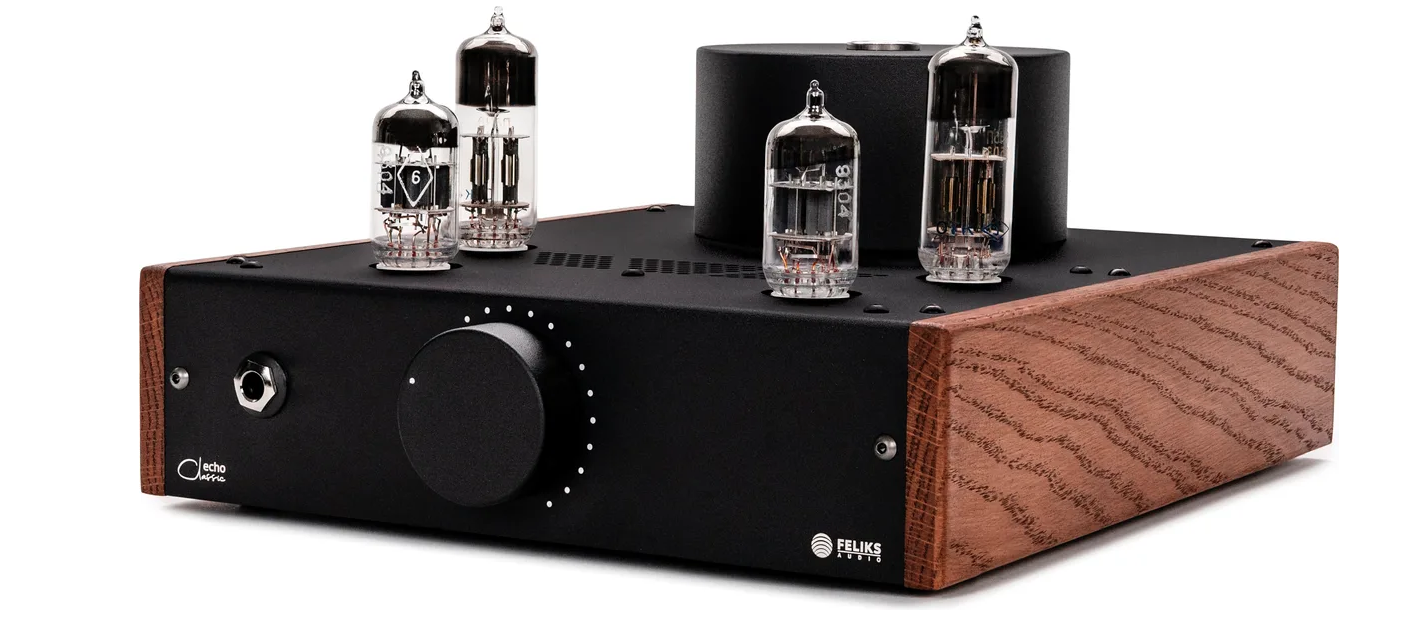
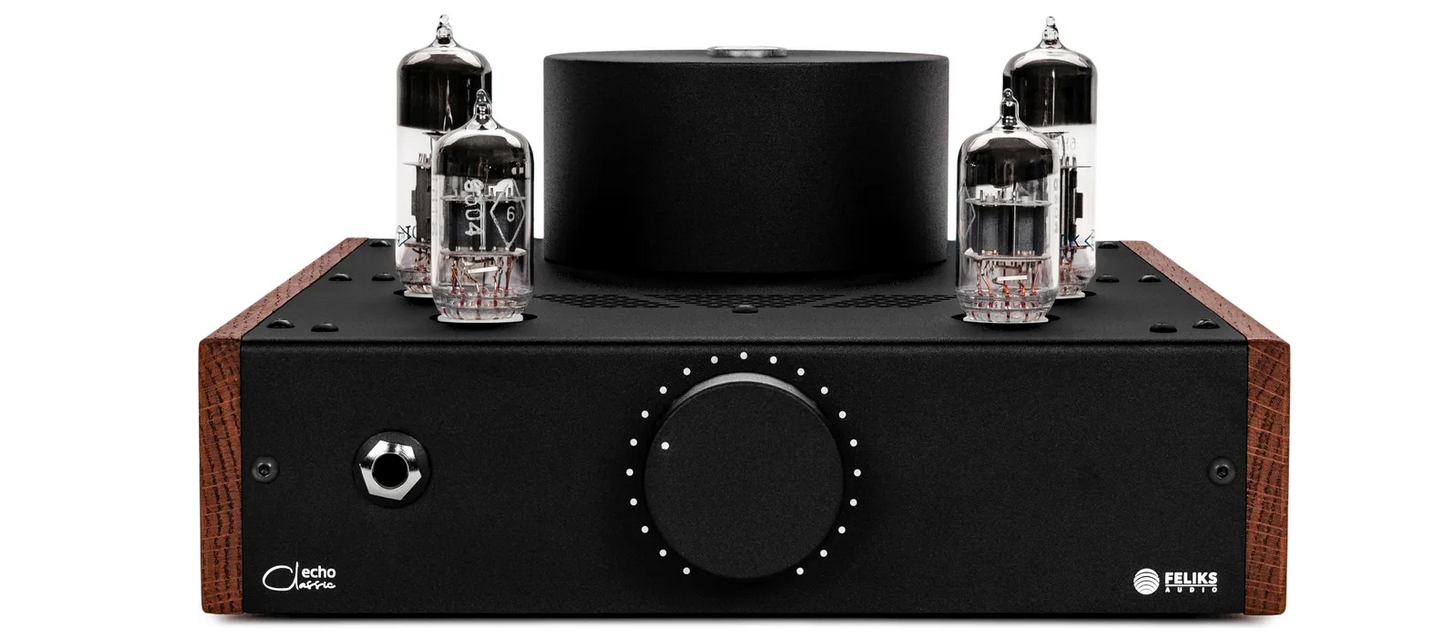
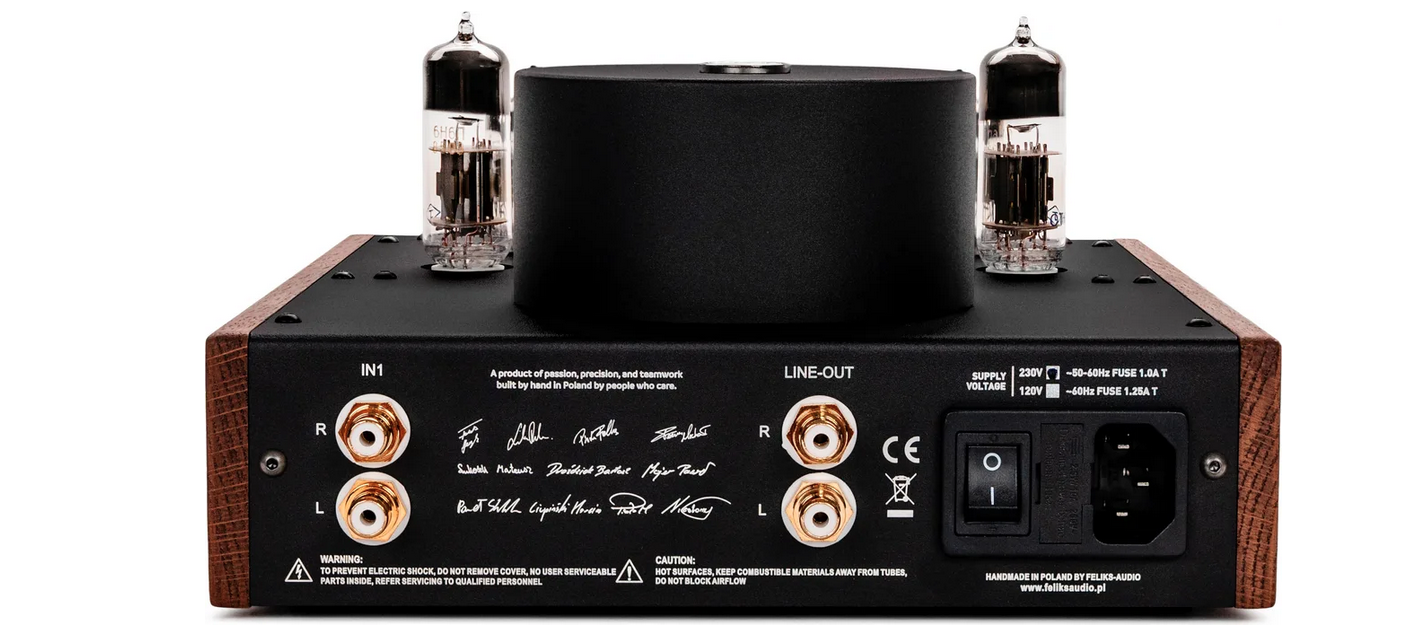
The Echo Classic embodies Feliks Audio's most stripped-down vision of headphone amplification. Built around an OTL (Output Transformerless) topology, it aims for the shortest possible signal path to preserve the integrity of the musical message destined for your headphones. Its two 6N1P (driver) and 6N6P (power) tubes in NOS (New Old Stock) version deliver 350 mW – modest power on paper but more than sufficient for the high-impedance headphones it's designed for.
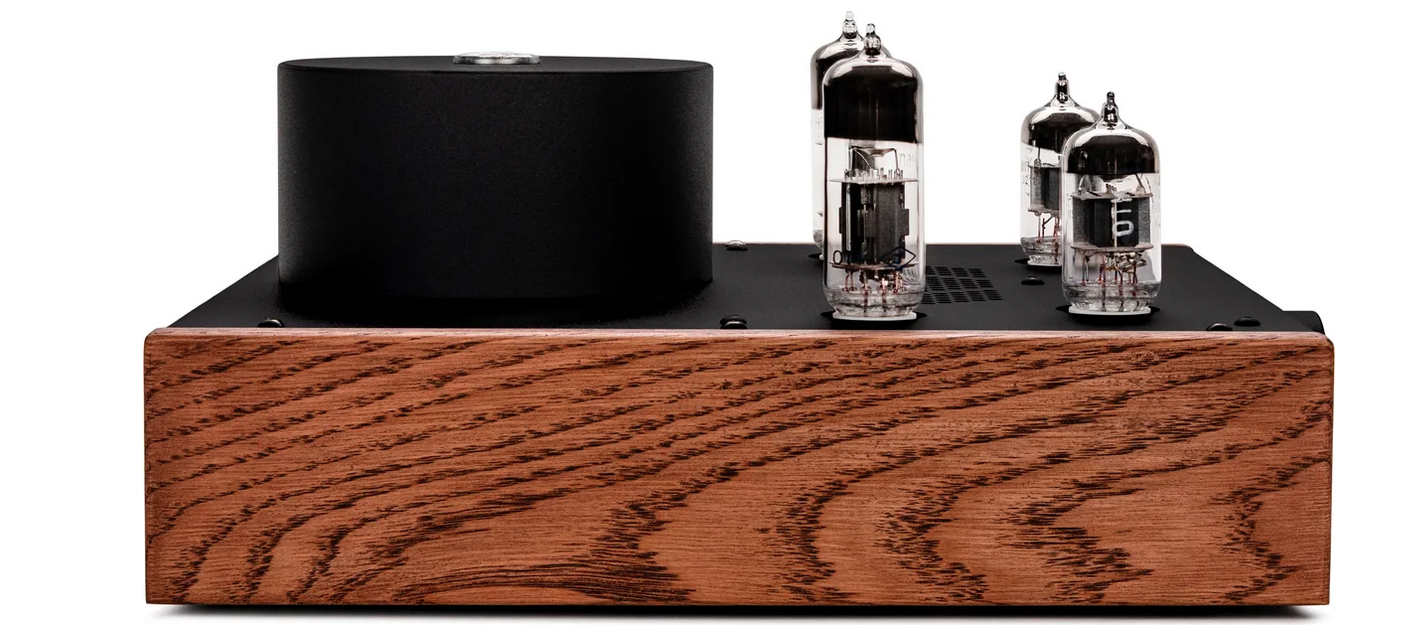
Its design is minimalist: a single metal chassis, real wood side panels, a single RCA input. The Echo Classic makes no compromises: it's made for those who know exactly what they want to hear in their headphones.

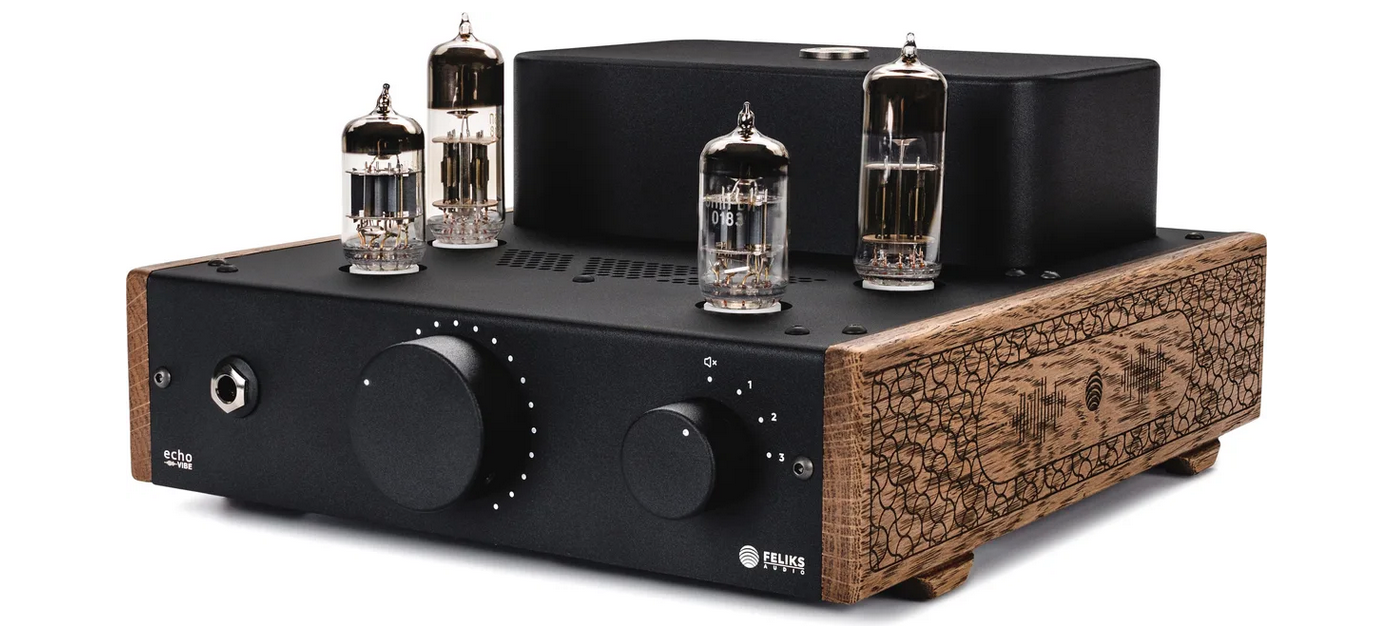
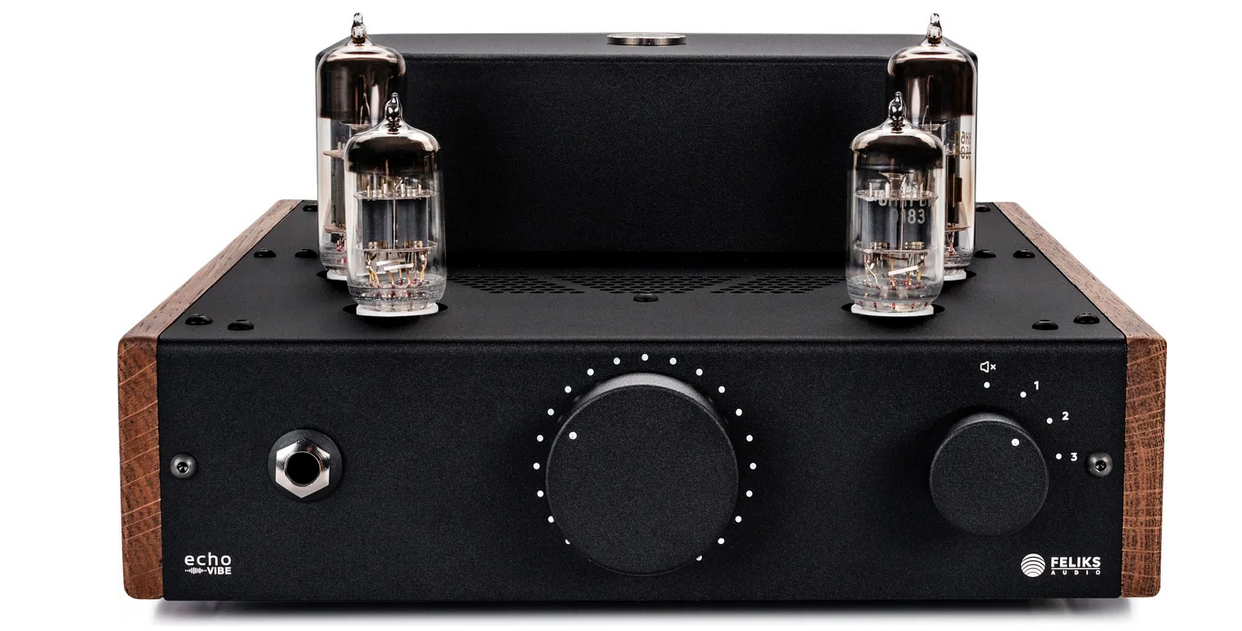
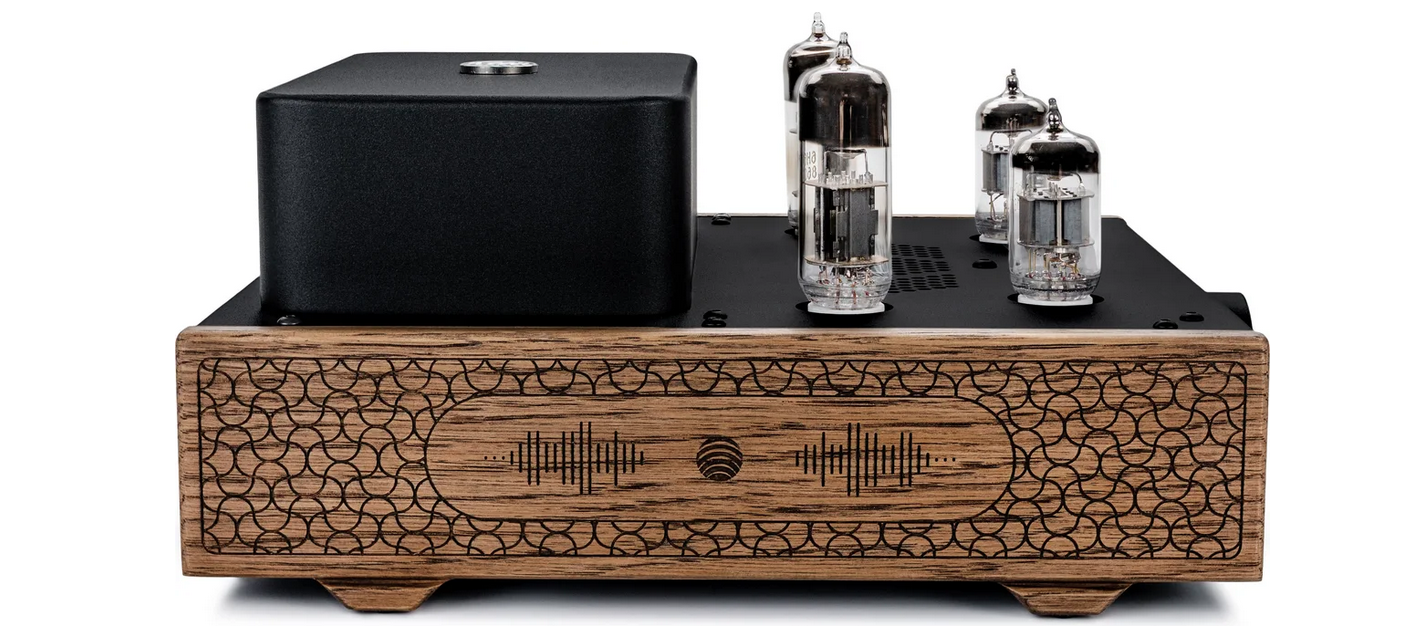
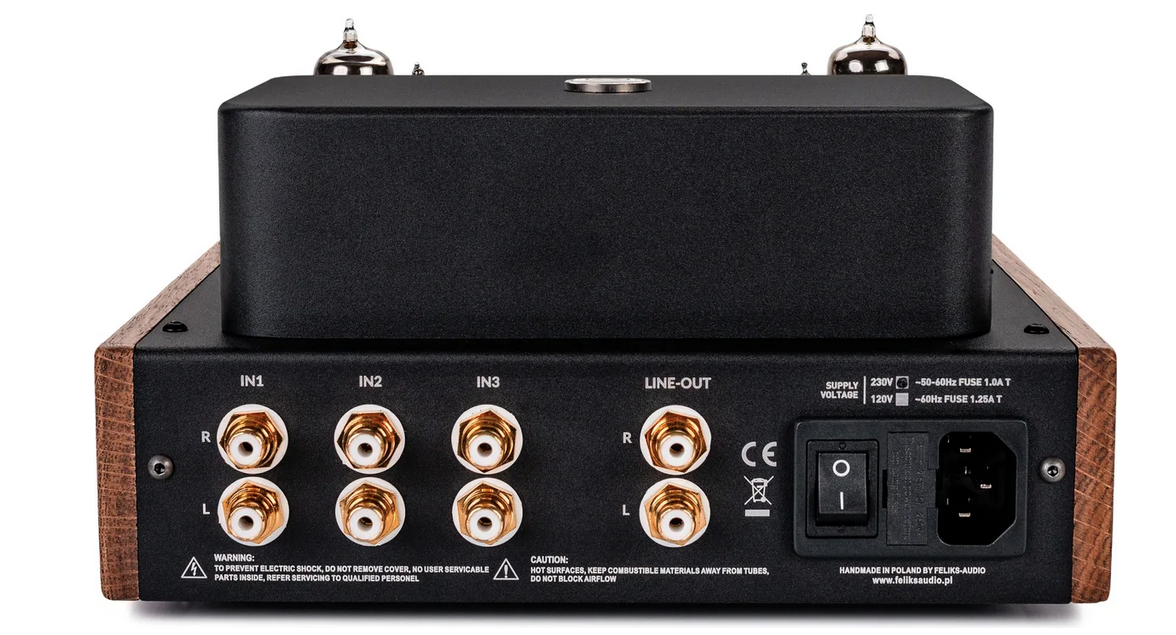
The Echo Vibe takes the Classic's technical foundation but adds significant evolutions for headphone listening. Three RCA inputs allow connecting multiple sources. The RK27 Alps potentiometer replaces the Classic's ALPS Blue Velvet, promising greater precision in volume adjustment. Capacitors have been upgraded, the transformer better shielded. The wooden side panels can be engraved – a nod to luxury craftsmanship.
But the essential question lies elsewhere: do these technical modifications impact the sound in your headphones? The answer is yes, and it's fascinating.

| Specification | Feliks Audio Echo Classic | Feliks Audio Echo Vibe |
|---|---|---|
| Indicative Price | €749 | €999 |
| Type | Tube headphone amplifier | Tube headphone amplifier |
| Topology | OTL (Output Transformerless) | OTL (Output Transformerless) |
| Tubes | 2x 6N1P driver, 2x 6N6P power (NOS) | 2x 6N1P driver, 2x 6N6P power (NOS) |
| Output Power | 350 mW | 350 mW |
| Gain | 20 dB | 20 dB |
| Recommended Impedance | 80 – 600 Ω | 80 – 600 Ω |
| Inputs | 1x RCA | 3x RCA |
| Outputs | 1x RCA, 1x 6.35mm jack | 1x RCA, 1x 6.35mm jack |
| Potentiometer | ALPS Blue Velvet | RK27 Alps |
| Special Features | Short signal path, purist design | Multiple connectivity, improved |
This is where both amplifiers reveal their true nature.
Echo Classic: From the very first guitar notes, the immersion is total. The texture is organic, almost palpable. You feel that characteristic tube warmth, that romantic veil wrapping each note in a delicious patina. The drum attack is deliberately softened, as if the amplifier were saying "take your time listening, don't rush." It's an interpretation, and it's magnificent through headphones.
Echo Vibe: The same warmth, but the silence between notes is deeper. The initial breath is "blacker," quieter. The synthesizer bass has better-defined texture, almost granular. The soundstage opens up, instruments breathe more in the space between your ears. The drum attack gains bite without losing musicality. It's the same song, but told with a few more details.
Echo Classic: Emotion is immediate. The strings have that indescribable velvetiness, that beautiful fade that makes violins weep. The soundstage is wide, immersive, as if the orchestra were playing in a salon around you. You forget the technique and just experience the emotion.
Echo Vibe: The velvetiness remains, but you perceive more of the bow movements, the hall reverberation, the distinction between first and second violins. The spatialization is more holographic, the sonic planes better defined within the headphone's field. The emotion is still present, but enriched with an additional analytical dimension.

This is where the difference becomes most noticeable. OTL amplifiers love high impedance, and the Meze 105 AER (42 Ω) puts them to the test.
Echo Classic: The listening experience is pleasant, tube-typical, but you feel the amplifier holding back its power. Miles' trumpet seems slightly recessed in the headphones, as if hesitating to step onto the stage. The rhythm is a bit less lively, the quintet's energy slightly contained. It's not unpleasant, but you sense untapped potential.
Echo Vibe: The difference is immediate. Bill Evans' piano has more bite, Paul Chambers' double bass maintains its definition and bounce. Miles can finally step forward, his trumpet has more presence and projection in the intimate listening of headphones. The amplifier seems to handle low impedance better, offering dynamics and control that the Classic can't match here.
Echo Classic: The electronic beat has body but lacks some edge. The synth pads blend harmoniously, perhaps a little too much. The track's anxious atmosphere is well rendered, but with less "grab" on the electronic textures.
Echo Vibe: The Vibe's wide, airy soundstage greatly benefits this complex track. The synth pads are better separated from the electronic drum in the headphone space. The famous struck beat has more impact, more precision. The track's nervous energy is fully restored, making for a more engaging listen.

Technically, both headphone amplifiers share the same foundation: same tubes, same power, same OTL topology. So why this difference in listening?
The answer lies in the components:
The Potentiometer: The Vibe's RK27 Alps offers better transparency and greater precision in volume adjustment – crucial for headphone listening.
The Capacitors: The Vibe's higher-quality capacitors allow better transient management and more refined treble extension.
Shielding: The Vibe's cubic transformer cover reduces interference, offering a lower noise floor – essential when you have headphones on your ears.
Multiple Connectivity: Three inputs instead of one, but also an optimized output stage that seems to handle low impedances better.
The Echo Classic is designed with a purist philosophy: shortest possible signal path, quality components but not necessarily the most "high-end." The Echo Vibe is an evolution that refines every detail to offer a more refined and versatile headphone listening experience.


You're a purist who swears only by very high-impedance headphones (300 Ω and above)
You seek the most authentic "tube" signature, with that romantic veil and enveloping warmth
You have a single source and a tighter budget
You prefer a sound that prioritizes pure emotion over analysis
The Echo Classic is a characterful headphone amplifier, made for those who know exactly what they want to hear. With a T+A Solitaire P, it's an immersive, moving experience that will make you rediscover your music collection.
You own or plan to acquire several headphones of varying impedances
You want an amplifier capable of revealing the potential of headphones like the Meze 105 AER while excelling with high impedance
You seek the best of both worlds: tube warmth with a touch of modernity and transparency
Versatility (three inputs) matters to you
The Echo Vibe is the logical evolution – the headphone amplifier that keeps the tube soul while smoothing out certain technical limitations. It's more universal, more precise, more "modern" in its sonic presentation, without ever betraying the Feliks Audio spirit.
At the end of this face-off, one thing is clear: Feliks Audio has succeeded in the difficult challenge of offering two headphone amplifiers with distinct characters while preserving a recognizable family signature.
The Echo Classic is the temple guardian, the keeper of a certain idea of pure, authentic tube headphone listening. The Echo Vibe is the modern heir – one that takes the best of the past to adapt to today's demands.
Which one to choose? The answer depends on your audiophile journey, your headphone collection, and what you seek in listening. But one thing is certain: whatever you choose, you won't be disappointed. These two headphone amplifiers carry within them the soul of music, and that's ultimately what matters most.
Both Recommended – For Different Audiophiles.
Log in to post comments
Latest comments